
Your facility is instrumented to the second — SCADA, MES, historians, twins, copilots. Yet every layer in the stack stops one step short of acting. The loop still waits on a person.
Observe the process, model what’s happening, decide, dispatch the action, and verify the result — then close the loop. Every write the model makes is backed by the causal mechanism that produced it.
 Autonomous operations
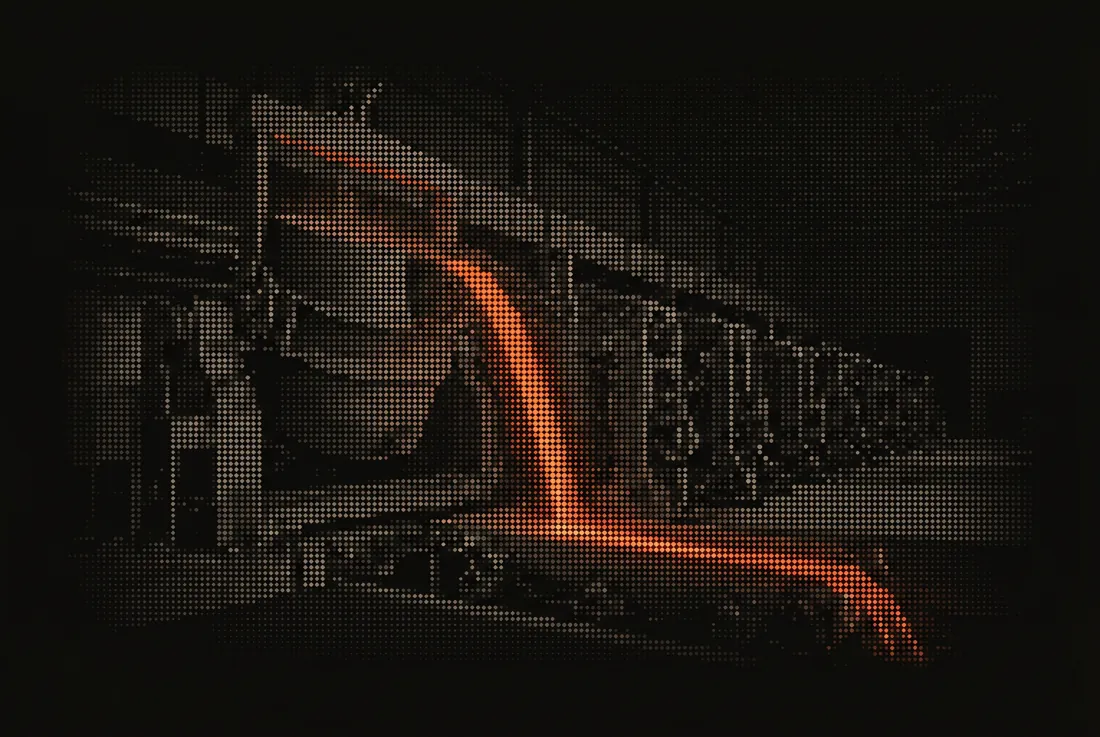
Free-lime burns out by Arrhenius kinetics — the model trims burning-zone O₂ to the optimum, holding flame temperature T up and driving residual CaO down.
Most AI recognizes patterns from millions of past examples. Causal AI understands how the world actually works — so it makes the right call in a moment it has never seen before. Scroll to drive it.
The worker’s path and the AMR’s path are about to cross — in about 2 seconds.
From its real speed, reaction latency and braking limit, it derives the distance it needs to halt: 1.65 m.
It has ~2.05 m to the crossing — so it can stop now, with room to spare.
A person eyeballs this — habit, the “two-second rule.” The model carries no such habit; it derives the stopping distance from first principles, every instant — and the identical engine, with zero retraining, derives a kiln’s safe oxygen band or a data hall’s thermal limit the same way.
Change the speed, the floor or the distance and dstop re-derives on the spot. Nothing is looked up; nothing was memorised.
Guesses from the past.
Learns from millions of examples — and can be confidently wrong the moment something new happens.
Reasons about right now.
Understands how things actually work — so it handles the situation it has never seen, and shows its reasoning.
Every decision shows its work — what it saw, what it expected, and why it acted. Swap the aisle for a cement kiln or a cooling loop — same engine, no retraining, no new rules. Each action is a labelled intervention, so the model sharpens over time.
Not a dashboard waiting on a human
not a twin running offline
not a chatbot in the loop.
Every output is a typed write to a system you already run — bounded, tagged with the KPI it moves, verified next cycle. It writes to whichever surface owns the change, and never reaches past its authority.
The model writes to whichever system already owns the change — and never reaches past its authority.
Commits a setpoint inside a safety band it can’t exceed.
Proposes the move with its reasoning — a human approves.
Files a maintenance ticket with timing and likely cause.
Escalates the big calls to the people who own them.
You set the pace. Authority moves from your team to the model one earned cycle at a time — scroll, or drag, the ladder.
The model runs read-only — predicting and scoring itself against reality. You watch; it earns trust.
The model is general. Built to run complex operations.
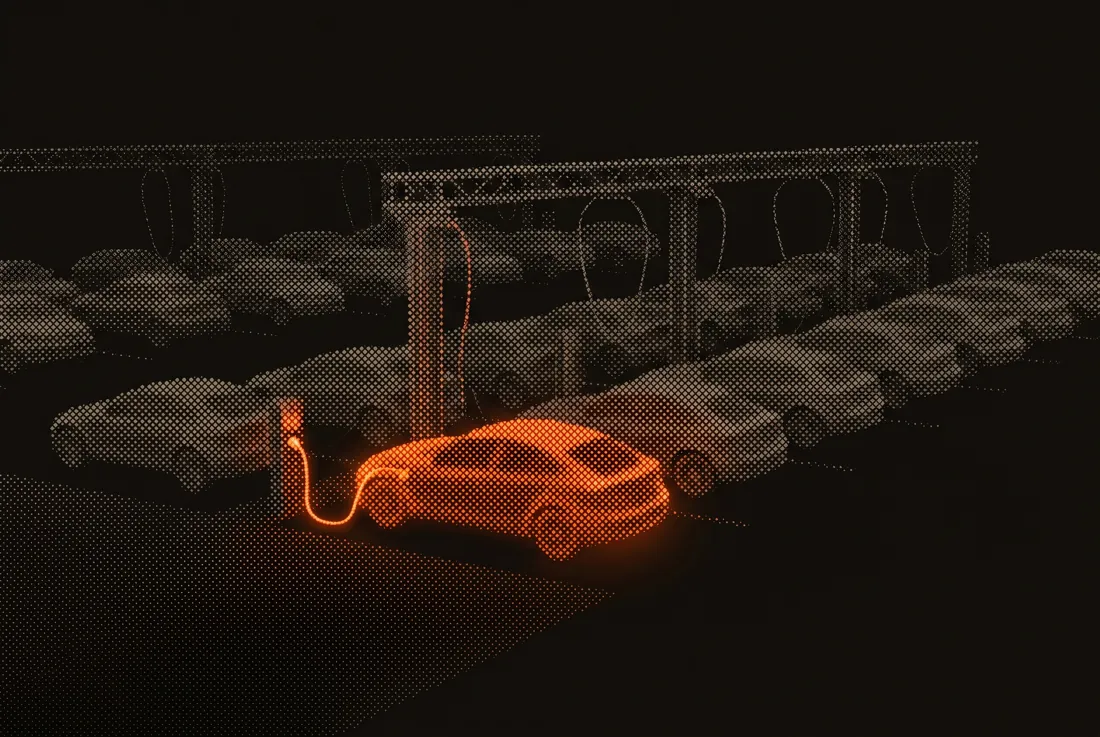
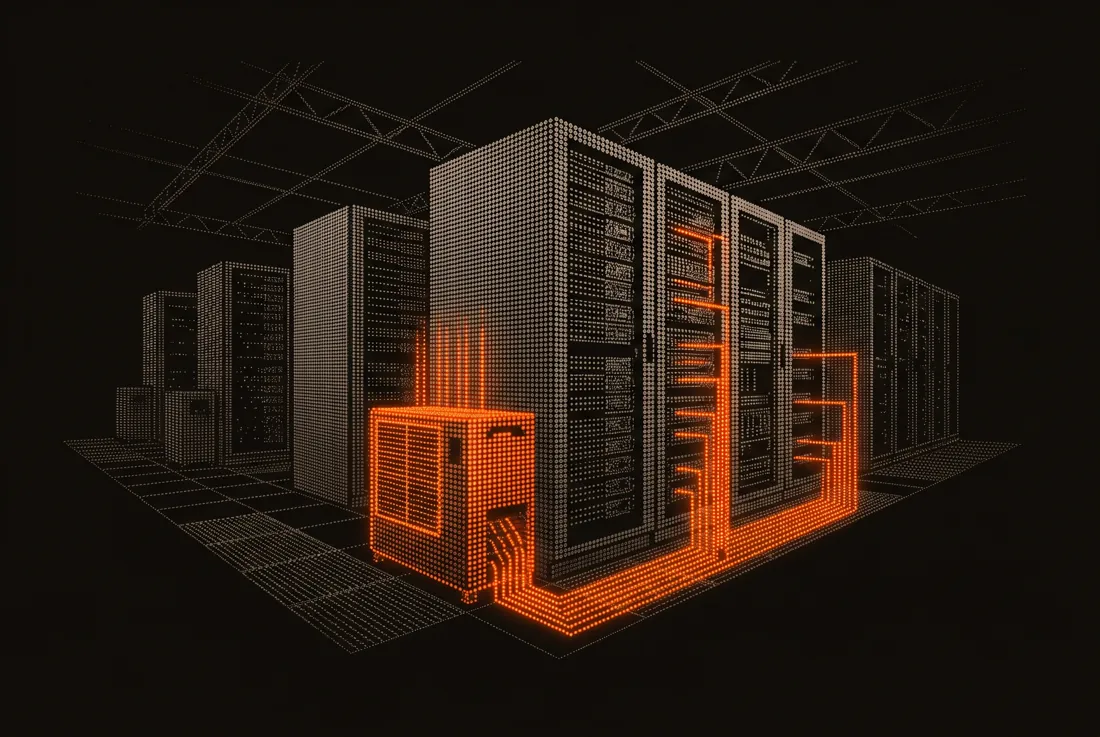
Traditional industrial AI fixes one dashboard on one facility. Noumenal is a reusable causal substrate — one engine across steel, cement, copper, data centres, and logistics, because causal structure transfers where dashboards don't.
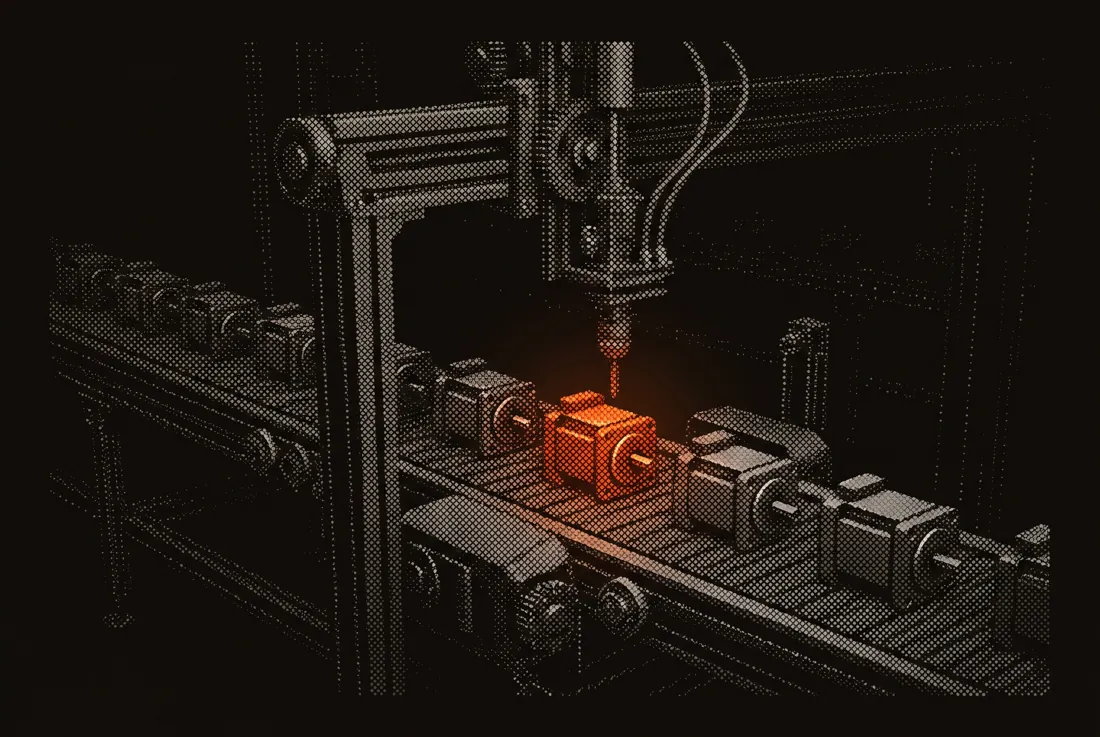
A workcell is a focused AI unit for one part of your operation — a furnace, a line, a dock, a picking zone. It watches what's happening and takes the next best action to move one clear metric: energy, throughput, scrap, downtime, or SLA.
Clear impact · easy rollout · repeatable expansion — one workcell at a time.
Build and run your own causal world. Hook up your data, your physics, your action surface. Ship a workcell.
Autonomous hypotheses, experiment design, and verified results — the model as a researcher.
Early work from the team. One preprint out; more to follow.
We close the loop one workcell at a time.
Or download the datasheet →